

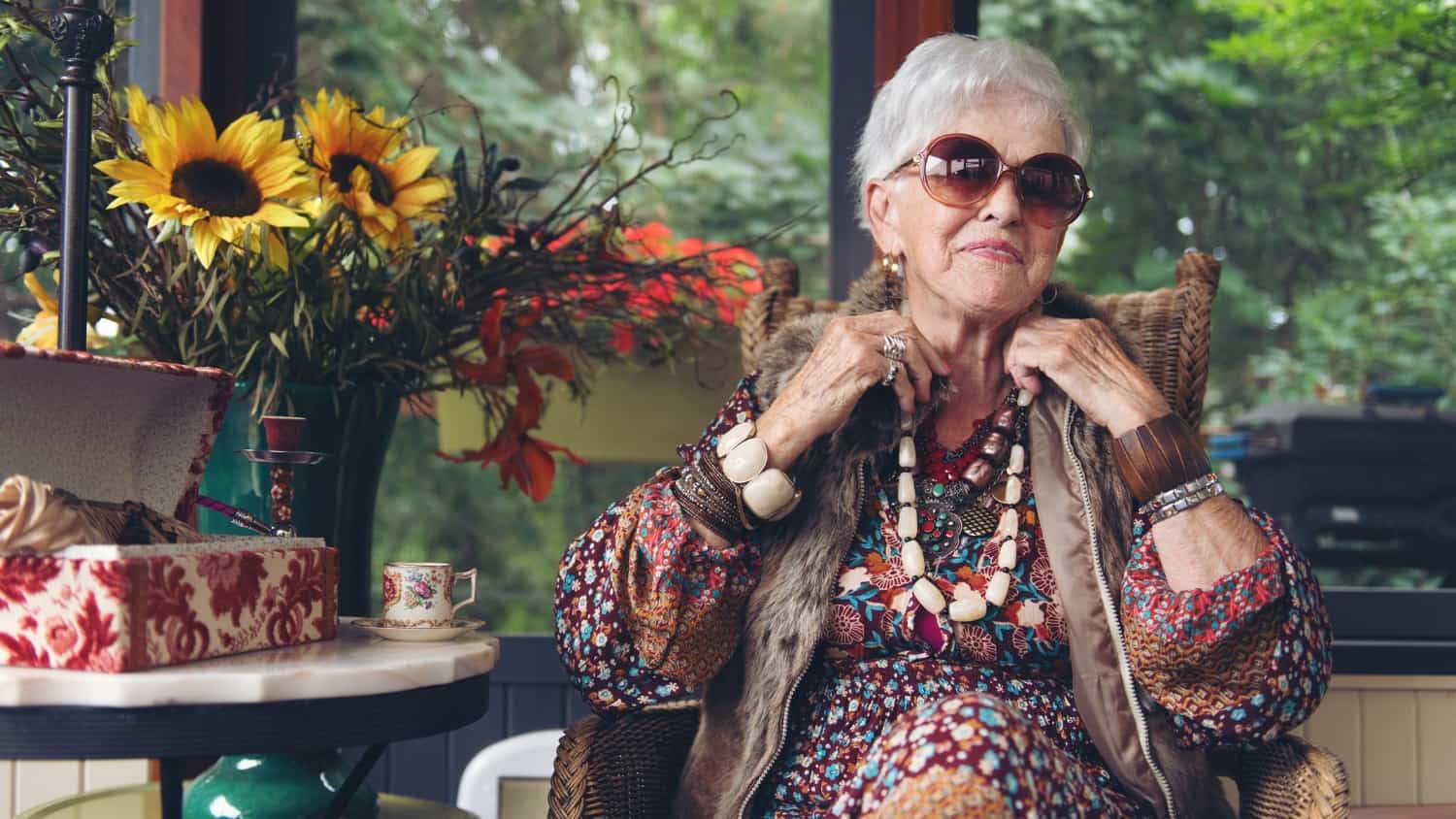
Let’s face it—most of us put on clothes every day without thinking twice. But when it comes to aging parents, spouses, or dear friends, the way they dress (or don’t) can sometimes whisper important things about what’s happening underneath the surface. Whether you find mismatched shoes at a holiday dinner or a favorite cardigan gone missing for weeks, these little changes might be more than just forgetfulness.
The Big Picture: More Than Just Fashion Faux Pas
Sure, everyone grabs socks that don’t match now and then, or wears last year’s Christmas sweater in June for laughs. But when you start seeing consistent changes—clothes put on backward, layers that don’t make sense for the season, or unexplained stains—your loved one might actually be showing you a sign that something isn’t quite right.
Pay Attention to Repeats and Patterns
Maybe Grandpa’s always taken pride in sharp creases and polished loafers, but suddenly he’s wearing pajamas to breakfast, or pulling out the same shirt four days running. When those little quirks start happening over and over, it’s time to pay attention. Consistent changes in wardrobe can signal all sorts of things, from arthritis making buttons tough to grasp, to vision problems, depression, or even the early stages of memory loss.
When Clothes Hints at Something Deeper
One of the earliest signs of dementia (including Alzheimer’s) is a shift in personal care and hygiene. You might notice your mom’s hair isn’t brushed, or your aunt is layering multiple sweaters on a hot day. Sometimes, people living with early-stage memory issues forget how to dress for the weather, or simply can’t remember the steps to choose an outfit. They may also lose track of what’s clean or dirty, leading to more frequent stains or odd combinations.
Other health issues can show up too. Loose, baggy clothes might mean recent weight loss. Outfits that are suddenly hard to fasten could point to painful joints or weakness. Even something like choosing to cover up more than usual might be a sign of discomfort or underlying health changes.
What Should You Do?
First off—approach gently. Dignity means everything. If you notice your loved one struggling with outfits, don’t call it out in a way that embarrasses them. Instead, offer subtle support: lay out weather-appropriate clothes, invest in easy-on/easy-off styles, or gently ask if they’d like a hand choosing today’s look.
Get input from their doctor if you’re worried these changes signal something deeper. A frank chat can open the door to evaluating memory, vision, and motor skills.
If their safety or day-to-day wellbeing starts to slip—think missing lots of meals because they’re confused, or wandering outside in the wrong season’s clothes—it might be time to discuss extra assistance or even explore a dementia care facility. Those places are equipped to help seniors manage daily routines and still look and feel like themselves.
Final Thought
Nobody wants to jump to conclusions over a messy shirt. But sometimes, clothes tell stories words can’t. If you spot changes, trust your instincts, act with kindness, and remember: noticing early can make all the difference. You know your loved one best—let what you see guide what you do.
