

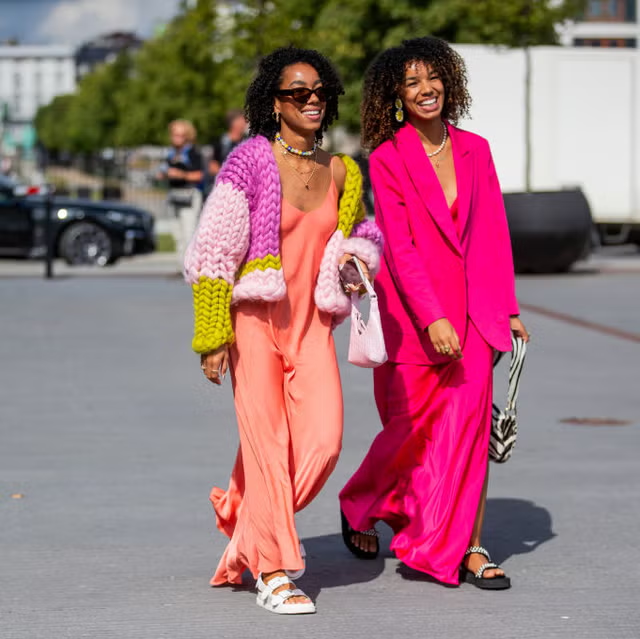
Dresses are among the most versatile pieces in any wardrobe. With thoughtful layering, a single dress can adapt to different weather conditions, occasions, and style preferences. Smart layering transforms a simple dress into a dynamic outfit that works throughout the day and across seasons.
Instead of relying on completely different clothing combinations, layering allows you to add depth, texture, and practicality to your outfit. From lightweight jackets to structured blazers, the right layers can elevate both comfort and style.
Why Smart Layering Matters for Dresses
Layering is more than just adding extra clothing. It’s a styling technique that balances functionality, aesthetics, and adaptability.
Some key benefits of layering dresses include:
- Weather flexibility: Add or remove layers as temperatures change
- Outfit versatility: One dress can create multiple looks
- Seasonal adaptability: Wear summer dresses in cooler months
- Improved style depth: Combining textures and silhouettes enhances visual interest
With the right approach, layering can turn a simple dress into a polished and well-structured outfit.
Start with the Right Dress
The foundation of effective layering is choosing a dress that works well with additional pieces.
Ideal dresses for layering often feature:
- Simple silhouettes that allow room for outer layers
- Neutral or versatile colors that pair easily with other garments
- Comfortable fabrics that sit smoothly beneath jackets or sweaters
- Minimal embellishments to avoid bulk when layering
Popular layering-friendly dress styles include:
- Midi dresses
- Slip dresses
- Shirt dresses
- A-line dresses
- Bodycon dresses
These silhouettes provide flexibility while maintaining a clean and balanced look.
Layer with Blazers for a Polished Style
Blazers instantly add structure and sophistication to a dress outfit. They are particularly effective for professional or semi-formal settings.
How to Style
- Pair a midi dress with a tailored blazer for an office-ready outfit
- Choose oversized blazers for a relaxed, modern aesthetic
- Use belted blazers to define the waistline
This combination works well for both daytime and evening occasions while maintaining a refined appearance.
Add Cardigans for Comfort and Softness
Cardigans offer a softer alternative to structured jackets. They bring warmth and comfort while maintaining a casual elegance.
Styling Ideas
- Wear a cropped cardigan with a fitted dress to highlight the waist
- Layer a long cardigan over a slip dress for a relaxed look
- Choose textured knits to create contrast with smooth fabrics
Cardigans are particularly useful during transitional seasons such as spring and autumn.
Use Jackets for a Modern Edge
Jackets can dramatically change the personality of a dress. The right outerwear introduces contrast and enhances visual interest.
Popular jacket options include:
- Denim jackets for casual everyday styling
- Leather jackets for bold, edgy outfits
- Utility jackets for relaxed street-style looks
- Cropped jackets for balanced proportions
For example, pairing a feminine dress with a leather jacket creates a striking contrast between soft and structured elements.
Layer Tops Under Dresses
Another creative layering technique is wearing tops underneath dresses. This method extends the wearability of dresses across seasons.
Suitable Underlayers
- Turtleneck tops
- Fitted long-sleeve shirts
- Lightweight sweaters
- Basic t-shirts
This approach works especially well with sleeveless or slip dresses, transforming them into outfits suitable for cooler weather.
Add Belts to Define Shape
Layering sometimes adds volume to an outfit. Belts help maintain structure by defining the waistline.
Ways to use belts effectively include:
- Cinching a cardigan over a dress
- Adding a statement belt over a blazer
- Using slim belts to subtly shape the silhouette
Belts not only improve the fit but also add an extra styling element to the layered look.
Experiment with Textures and Fabrics
Successful layering often involves mixing different textures to create visual depth.
Examples of appealing combinations include:
- Silk dress with a chunky knit cardigan
- Cotton dress with a leather jacket
- Satin slip dress with a structured blazer
- Denim jacket over a floral dress
Contrasting textures help prevent layered outfits from appearing flat or monotonous.
Seasonal Layering Tips
Layering dresses effectively depends on the season.
Spring
- Light cardigans
- Denim jackets
- Cotton scarves
Summer
- Lightweight shirts tied at the waist
- Sheer kimonos
- Minimal outer layers for cooler evenings
Autumn
- Knit sweaters
- Leather jackets
- Structured blazers
Winter
- Wool coats
- Thick tights
- Chunky knit cardigans
Seasonal adjustments ensure that dresses remain practical year-round.
Common Layering Mistakes to Avoid
Even though layering is simple, certain mistakes can affect the overall look.
Avoid the following:
- Bulky layers that distort the silhouette
- Too many contrasting colors that clash
- Oversized layers over loose dresses without waist definition
- Heavy fabrics over delicate dresses that create imbalance
Maintaining proportion and balance is key to achieving a polished layered outfit.
Final Thoughts
Transitioning dresses with smart layering is a practical way to maximize wardrobe versatility. By combining dresses with blazers, jackets, cardigans, and underlayers, it becomes possible to create multiple stylish outfits from a single garment.
The key lies in selecting adaptable dresses, experimenting with textures, and maintaining balanced proportions. With thoughtful layering, dresses can remain fashionable and functional across seasons and occasions.
Frequently Asked Questions (FAQs)
1. What type of dress works best for layering?
Dresses with simple silhouettes, minimal embellishments, and neutral colors are generally the easiest to layer.
2. Can layering work with fitted dresses?
Yes. Fitted dresses pair well with cropped jackets, oversized blazers, or lightweight cardigans, creating balanced proportions.
3. Is layering suitable for warm climates?
Yes. Lightweight layers such as sheer kimonos, linen shirts, or thin cardigans can add style without causing discomfort.
4. How can layering help extend seasonal wear?
Layering allows summer dresses to be worn in colder months by adding long-sleeve tops, jackets, and warm outerwear.
5. Are belts necessary when layering dresses?
Not always, but belts can help define the waist and maintain shape when multiple layers are added.
6. What colors work best for layered outfits?
Neutral tones like black, beige, gray, navy, and white blend easily with various layers and textures.
7. How can beginners start experimenting with layering?
Start with simple combinations such as a dress with a cardigan or denim jacket, then gradually explore more complex layers and textures.
